 English
  Español
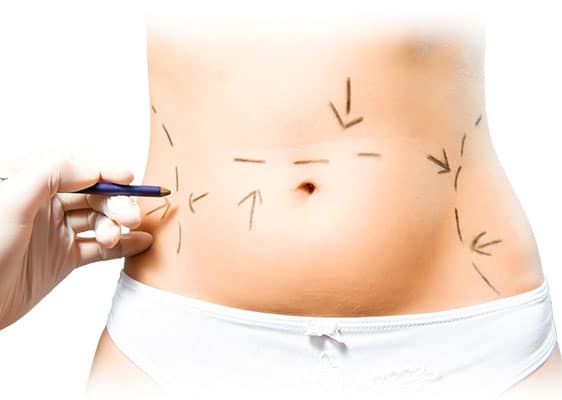
Abdominal cosmetic surgery
Abdominoplasty is a surgery indicated to remove excess fat from the abdominal area, especially in patients who have suffered significant weight loss or women who, after pregnancies, are unable to get the abdominal skin to retract.
This type of intervention is usually done on people who do not feel good about their appearance.
There are different types of techniques to perform an abdominoplasty, and these will depend on the individual needs of each patient.

Contraindications and adverse effects
Abdominoplasty is an abdominal cosmetic surgery procedure that involves removing excess skin and fat from the upper and lower abdomen and toning the muscles of the abdominal wall. Abdominoplasty is used to improve the appearance of a relaxed and/or prominent abdomen by removing excess skin, localized fat accumulation, and laxity of the abdominal muscles.
Who is this type of intervention indicated for?
Abdominoplasty is particularly indicated for those who, despite being in good physical shape, have a significant accumulation of fat (belly) or excessive laxity of the abdominal wall that cannot be improved by diet or exercise. Abdominoplasty is therefore highly requested by men and also by women who have had one or more pregnancies or by patients who, due to old age, drastic weight loss or previous surgery, have a relaxation of the abdominal muscles and a loss of skin elasticity that can no longer be recovered.
Are there age limits for undergoing abdominoplasty?
There is no age limit for undergoing this surgical procedure, but it is preferable to postpone the operation in women who are planning future pregnancies, as the increased intra-abdominal pressure could separate again the muscles that have been repaired during the abdominoplasty operation. Overweight patients should first undergo a diet and only then undergo abdominoplasty to avoid having to return to the plastic surgeon to remove excess skin resulting from future weight loss.
What other operations can be performed along with abdominoplasty?
Abdominoplasty can be performed alone or in combination with other surgical techniques such as liposuction, thigh lift or other cosmetic surgery procedures.
Abdominoplasty: What are the risks and complications of this type of surgery?
Abdominoplasty is a relatively complex surgical procedure. When this type of intervention is performed by a plastic surgery specialist, expert in body contouring and in authorized facilities, the results are very good and the risks of abdominoplasty are lower. To reduce the risks of abdominoplasty and therefore complications, it is however essential to carefully follow the advice and instructions that the surgeon will give you before and after the operation. Smokers should reduce their use of cigarettes because smoking can increase the risk of complications and cause delays in healing.
Abdominoplasty before and after: How is the preoperative visit performed?
Abdominoplasty is a highly personalized procedure that, as such, requires a precise specialized examination. During the first visit, the surgeon will assess the amount and location of fat deposits present in the abdomen, the elasticity of the skin, any excess skin and the tone of the muscles of the abdominal wall, and will outline the objectives and aesthetic results that can be achieved. The surgeon will also assess your health conditions to exclude the presence of disorders (such as high blood pressure, coagulation or scarring problems) that may affect the final result of the operation. Before the operation, you will receive specific instructions regarding pre- and postoperative nutrition, medication intake, alcohol and cigarettes. At the end of the visit, the surgeon will, in agreement with you, choose the most appropriate surgical procedure for your case. If the muscle tone and elasticity of the skin are good and a localized accumulation of fat in the abdominal region is to be removed, liposuction of the abdomen or liposculpture may be sufficient. If the fat deposit and excess skin are limited to the area below the navel, a less complex surgical procedure called a mini-abdominoplasty can be performed. If, on the other hand, the fat deposit and the other imperfections described above are also located in the upper abdomen and hips, a full abdominoplasty will be necessary, sometimes combined with liposuction. If, finally, the fat deposit and excess skin are located not only in the anterior abdomen and flanks, but also in the posterior dorsal region (frequently as a result of morbid obesity), then a circumferential abdominoplasty will be necessary.
How long does the procedure take?
The abdominoplasty operation lasts between one and three hours, is not very painful and ends with a bandage that you will have to keep on for about three weeks.
Postoperative
Within 48 hours after the abdominoplasty operation, you should rest with your legs bent and your back raised. From the third day, you can resume a normal life, but avoid strenuous activities, saunas and Turkish baths. In the first two days, swelling and bruising may appear around the treated area. After 7-10 days, you can resume your work activities if they are not too strenuous. Three weeks after surgery, you will gradually resume all normal activities, including sports.
What kind of results can be obtained with abdominoplasty?
Abdominoplasty, whether partial or complete, usually gives very good results. If you have the foresight to follow a balanced diet and exercise regularly, the results obtained with this type of surgery will be practically permanent.
Frequently asked questions from patients
Ask: I am 44 years old. After three pregnancies and the considerable weight gain that followed, my belly is sticking out and hanging. I would like to have a tummy tuck but I am afraid that it will be painful and that I will have ugly scars.
Answer: An abdominoplasty is certainly indicated to resolve your problem because it allows you to remove excess skin and fat from the upper and lower abdomen and tone the abdominal wall muscles. However, I advise you to consult with a specialist, as the plastic surgeon will be able to show you the most suitable treatment for your case.
Generally, if muscle tone and skin elasticity are good and the goal is to eliminate localized fat deposits in the abdominal region, liposuction or liposculpture may be sufficient. If, on the other hand, the fat deposits and excess skin are limited to the area below the navel, a less complex surgical procedure called a mini-abdominoplasty can be performed. However, if the fat deposits and abdominal wall laxity also involve the upper abdomen and hips, a full abdominoplasty will be necessary, sometimes combined with liposuction. Abdominoplasty is usually performed under general anesthesia with a two-night hospital stay. In some cases (mini-abdominoplasty or minor liposuction), the procedure can be performed under local anesthesia on an outpatient basis.
In the 2-3 days immediately following the operation, you will feel slight pain, tightness in the treated area, and difficulty bending your torso towards your legs. These discomforts will disappear after 7-10 days. Regarding scarring, please remember that in an abdominoplasty, the incision is made above the pubic area and therefore remains hidden inside underwear.
Question: How soon after pregnancy can I have a tummy tuck or liposuction?
Answer: The amount of time that should pass after childbirth before undergoing surgery depends on both the patient's health and the type of surgery being considered. It is generally advisable to postpone a tummy tuck for women planning future pregnancies because the increased intra-abdominal pressure could separate the muscles that were repaired during the procedure. In the case of liposuction, the surgery can also be performed after a few months.
Question: Is it possible to sunbathe after a tummy tuck?
Answer: Yes, but it's not recommended to expose the scar to the sun for at least 12 months because it could become pigmented and more visible.
Question: Is it possible to sunbathe after a tummy tuck?
Answer: Yes, but it's not recommended to expose the scar to the sun for at least 12 months because it could become pigmented and more visible.
Contraindications and adverse effects
Contraindications:
- Patients with uncontrolled blood clotting disorders, untreated heart disease, or history of fat embolism.
Adverse effects:
- Bruising and swelling are common after the procedure.
- There are risks of irregularities in the skin surface, changes in sensitivity and possible anesthetic complications such as allergic reactions.
Abdominoplasty Barcelona: Exploring the Psychological and Cultural Aspect
The decision to undergo abdominoplasty in Barcelona has not only a physical component, but also a psychological one. Below, we explore some facets of how this procedure impacts emotions and self-perception.
The Influence of the Perception of Beauty
Barcelona, a vibrant and cosmopolitan city, influences how individuals perceive beauty. Living in a dynamic city can raise expectations about body image, prompting people to seek cosmetic procedures such as abdominoplasty.
Impact on Self-Esteem
Abdominoplasty not only alters physical appearance but can also improve self-esteem. Many patients report a renewed sense of confidence after the procedure, feeling more comfortable and happy with their bodies.
Informed Consent and Realistic Expectations
It is crucial that patients fully understand the procedure, the potential risks, and the expected results. Having realistic expectations helps ensure postoperative satisfaction and improves the patient-surgeon relationship.
Cultural and Social Factors
The social acceptance of cosmetic surgery has grown in Barcelona. Cultural and social factors can influence the decision to undergo an abdominoplasty, supporting the pursuit of a desired body image.
Stigma Reduction
As more people choose this procedure, the stigma associated with cosmetic surgery is decreasing. The cultural narrative in Barcelona promotes self-acceptance and aesthetic modernization, facilitating informed decisions about procedures like abdominoplasty.
Characteristics of the intervention

INTERVENTION TIME
3-4h

BED
Admission night

RECOVERY
1 month without sports

ANESTHESIA
Total

EFECT
1 month

RESULTS
1 month
Medical report of the intervention
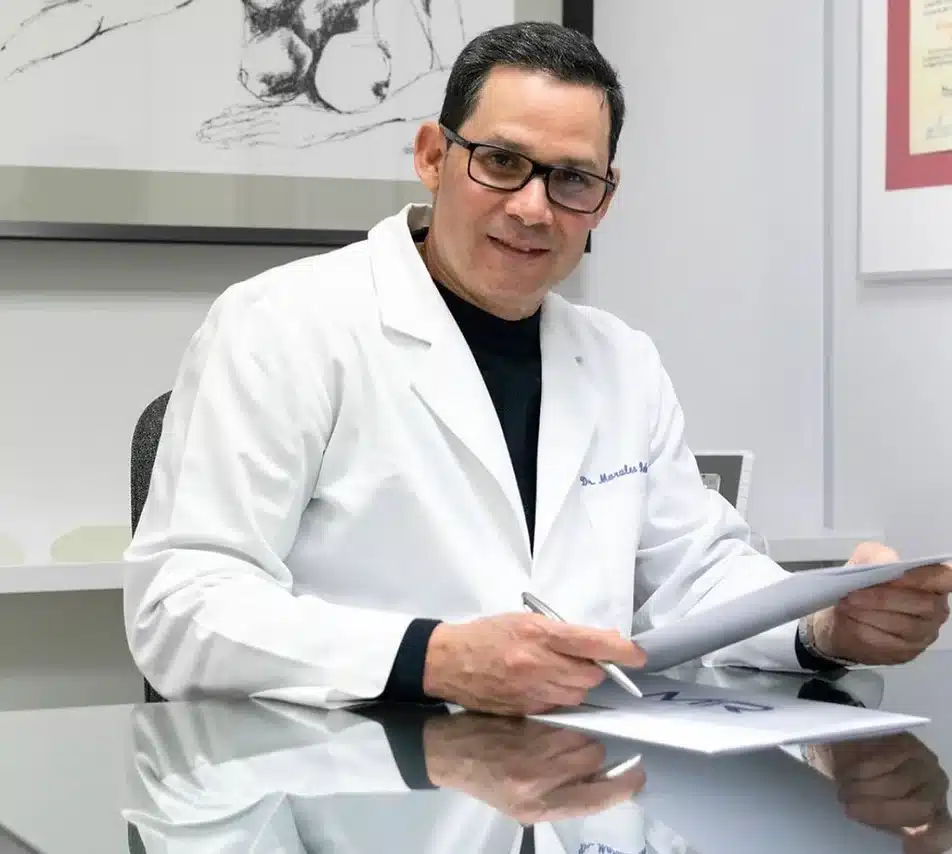
Dr. José Morales-Ruthmann
Membership number: 57069
Affiliated association: Barcelona
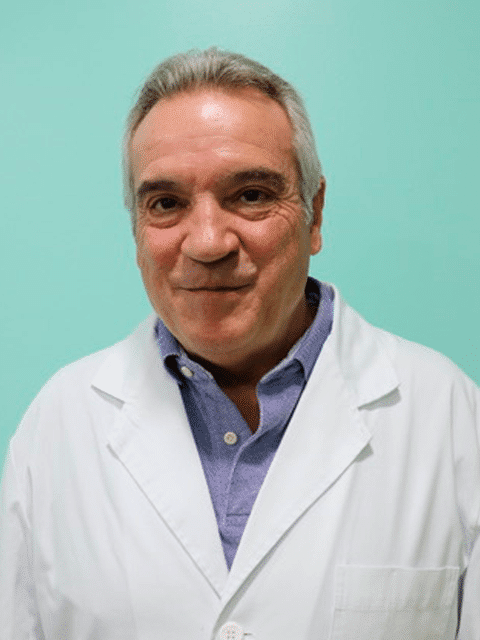
Dr. Luis Martínez Salcedo
Plastic surgery
Membership number: 4302846
Colegio Affiliation: Tarragona
The information provided on the website does not replace but rather complements the relationship between the health professional and their patient or visitor and in case of doubt you should consult your reference health professional.
Sants Guarantees Institute:
All surgeries are performed in authorized health centers.
We have the best prices (we match or beat quotes)
Sanitary registration number: E08666312

Current Promotions:
Contact:
Sants Institut | Cirugía y Medicina Estética
Carrer de Sants, 146, Sants-Montjuïc, 08028 Barcelona
Phone: 900 900 455
IBIZA – C/del Bisbe Abad i Lasierra, 55
Ibiza Phone: 871 027 034
WhatsApp: 693 86 45 50
Email: info@santsinstitut.com

Sants Institut by Fina Claus - All rights reserved - July 2025